
Key Points on PSLF Rules Could Change
- A GOP proposal would bar medical and dental residents from counting their residency years toward Public Service Loan Forgiveness. PSLF Rules Could Change
- Advocates warn this change could add tens of thousands in debt repayment costs for early-career doctors and discourage service in nonprofit hospitals and health systems.
- The legislation has sparked concern from medical associations, residency programs, and public hospital administrators. PSLF Rules Could Change
The Republican plan to overhaul the student loan system includes a proposal that could reshape the financial outlook for thousands of future doctors. The legislation would exclude medical and dental residents from participating in the Public Service Loan Forgiveness (PSLF) program during their residency years, as introduced by House Republicans as part of a reconciliation effort aimed at shrinking the federal budget.
While the bill contains numerous changes to aid disbursement and loan repayment rules, the exclusion clause (buried deep in the legislative text) has drawn sharp criticism from healthcare organizations and borrower advocates. At stake are years of credit toward student loan forgiveness that have long been essential to many doctors’ financial planning. PSLF Rules Could Change

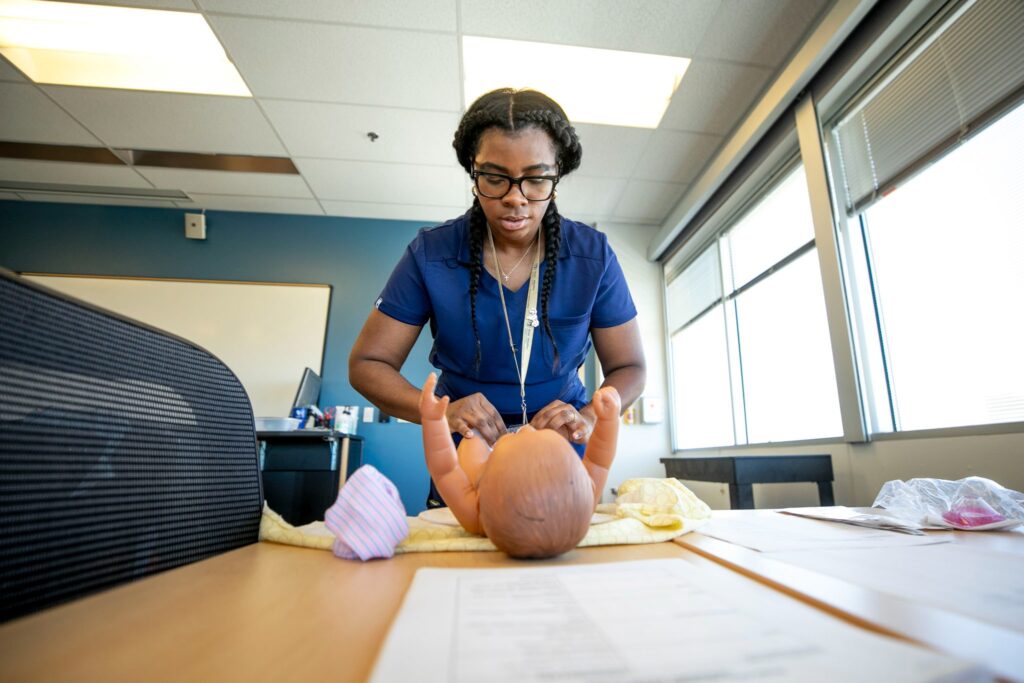
Under current rules, residency and internship periods count toward the required 120 payments under PSLF as long as the borrower is employed full-time by a nonprofit or public hospital and is on a qualifying repayment plan—which is what residency is. While it’s a training period, doctors and dentists in residency work full time as doctors, just under the supervision of an attending physician.
The GOP plan would strip that option for new borrowers starting July 1, 2025, by redefining what counts as a “public service job.”
What This Means For Doctors on PSLF Rules Could Change
Residency typically lasts three to seven years, depending on the specialty, and salaries during that time are low.
According to data from the Association of American Medical Colleges, median medical student debt is approximately $205,000. Since residents are out of college, they must either begin standard repayment, which often exceeds their monthly income, or opt into income-driven plans and begin repaying their student loans. (Side note, the income-driven repayment options may also be changing under the current proposal.)
Since a resident is in repayment and is working full time, they are currently eligible to count the time in residency towards PSLF, just like any other working college graduate. PSLF Rules Could Change
The new proposal would delay the forgiveness clock until after residency ends. For many, this means making three to seven years of extra payments before even starting the 10- year period that counts for PSLF.
This proposal essentially creates a two-tiered PSLF system: doctors, who would now need to work 13–17 years in the public service to receive loan forgiveness, and every other public servant (teachers, government employees, etc.), who only need to work for 10 years. PSLF Rules Could Change
Pushback From The Medical Community on PSLF Rules Could Change
Prior to the current text, a large group of medical organizations, including the Association of American Medical Colleges and The American Dental Association, issued a statement against restricting PSLF for residents and doctors. They noted that there is already a shortage of healthcare workers and doctors, and making it harder for them to financially support themselves through training and early careers will only make the problem worse.
Public and nonprofit hospitals, which rely on PSLF as a recruitment tool, say the policy change could undercut efforts to attract residents into lower-paying but high-need specialties.
Healthcare employers also worry the proposal could worsen staffing shortages in rural and underserved communities, where public hospitals and nonprofit clinics are already struggling to fill residency and early-career positions. Many states are already having to offer additional loan forgiveness programs for doctors who work in rural areas.
What Happens Next? PSLF Rules Could Change
For now, current residents appear safe. The bill’s language states that only those who borrow a federal unsubsidized or PLUS loan for the first time after June 30, 2025, would be affected. But that grace period doesn’t ease the concerns of hospitals or professional associations tasked with advising medical students weighing their debt options.
As Congress moves closer to the summer budget deadline, the medical and dental community will be watching closely. The PSLF exclusion clause may be one line in a long bill, but for thousands of doctors in training, it could define the future of their financial lives for decades to come.
Common Questions on PSLF Rules Could Change
How do the $150K professional loan caps interact with PSLF changes?
The new proposal to cap graduate student loans at $150,000 in total proposes a secondary challenge to future doctors and dentists, considering the median student loan debt for doctors today is $200,000. However, the new proposed PSLF rules would still allow doctors to get PSLF; it might just take longer. PSLF Rules Could Change
Are MD/PhD candidates exempt from residency PSLF exclusions?
The only exemption for residency programs is if you fully borrow your loans prior to June 30, 2025.
Should residents prioritize refinancing if PSLF becomes inaccessible?
Definitely avoid refinancing during residency. You should wait until you understand what your future post-residency employment will look like. You may still choose to work in public service, and PSLF could be a beneficial choice, even if the starting point is delayed. PSLF Rules Could Change