
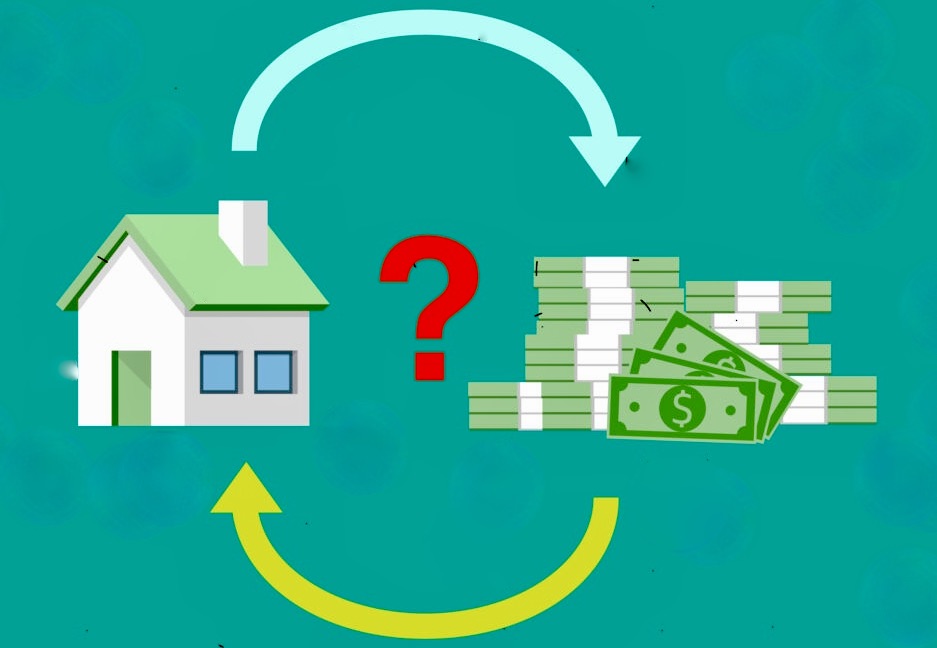
If you have a lot of equity in your house, you may know of a reverse mortgage and other common ways to access that value. A home equity loan and a home equity line of credit (HELOC) are two examples. If you’re 62 or older, though, you might want to think about a reverse mortgage. How A Reverse Mortgage Works
A reverse mortgage is another way to gain cash from your home equity. Let’s look at how it works and see if it’s a good idea to use.

What Is A Reverse Mortgage?
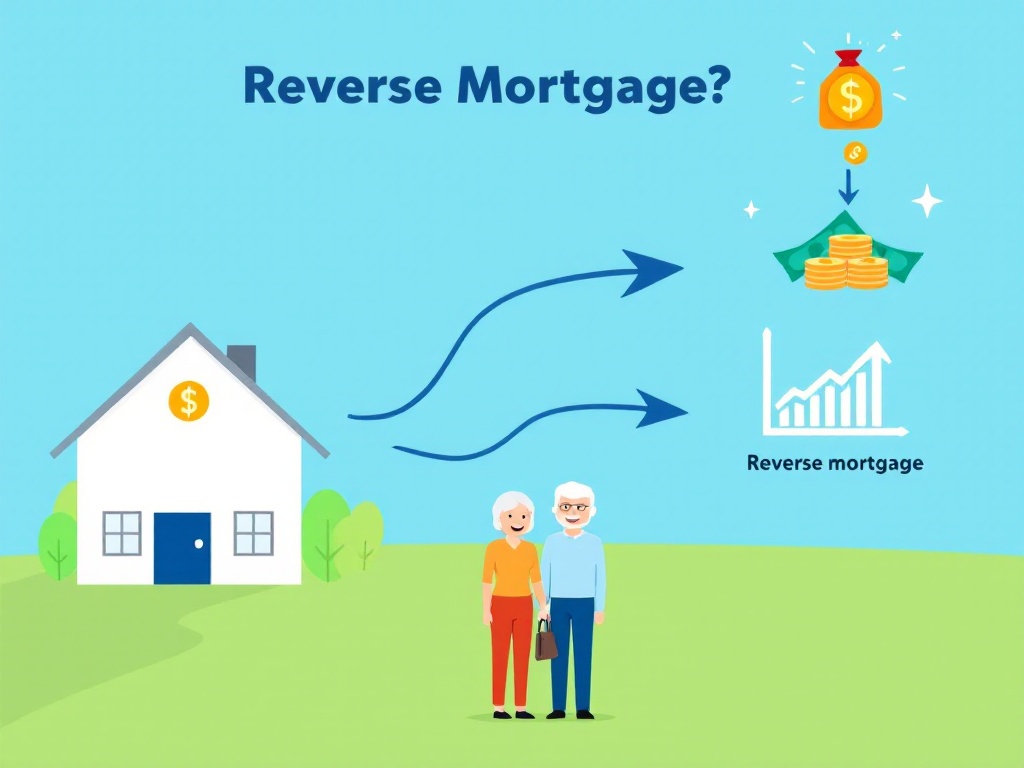
A reverse mortgage is a HELOC alternative that is targeted towards older homeowners who often have completely paid off their mortgage. Like the name suggests, instead of making monthly payments to a lender, the lender makes monthly payments to the homeowner. To qualify, borrowers must be at least 62 or older.
Reverse mortgages can be useful if you’re a senior who has a significant amount of equity in your home and wants to use it to supplement your monthly retirement income.
When you apply, your home serves as collateral, just as it would with a conventional mortgage. How A Reverse Mortgage Works
When you move out or die, the loan becomes due and any proceeds from the home’s sale are used to pay off the loan. Payments from a reverse mortgage are not considered taxable by the IRS.
How Do They Work?
There are three different kinds of reverse mortgages—single-purpose, proprietary, and home equity conversion mortgages.
Reverse mortgages can be useful if you’re a senior who has a significant amount of equity in your home and want to use it to supplement your monthly retirement income.
When you apply, your home serves as collateral, just as it would with a conventional mortgage. How A Reverse Mortgage Works
Home Equity Conversion Mortgages (HECMs) are by far the most common type. HECMs are sometimes referred to as FHA reverse mortgages because they are backed by the United States Department of Housing and Urban Development.
The bank will take out a new loan on your property, minus any fees or lender charges associated with the origination of the loan.
You can choose to take the proceeds in a variety of ways. Here are a few of the most common ways to take the money:
-
-
Lump sum: The bank gives you the entirety of the proceeds all at once, up front.
-
Annuity: You can take equal monthly payments as long as at least one of the borrowers lives in the home.
-
Term payments: Rather than an annuity, you can take monthly payments for a fixed term (such as 10 or 20 years). Choosing term payments will likely mean your monthly payments will be higher than with an annuity. How A Reverse Mortgage Works
-
-
Line of credit: Rather than taking payments, you can instead set up a line of credit where you can borrow money as needed, and only pay interest on the amount borrowed.
How To Get A Reverse Mortgage
Applying works in much the same way as applying for a conventional mortgage. You can work with a lender or mortgage broker of your choice. Just as with a regular mortgage, it’s a good idea to shop around and compare rates and terms from different lenders. Keep in mind that if you want to apply for an HECM, you will need to apply through an FHA-approved lender. How A Reverse Mortgage Works
When you apply, you are often required to go through counseling. The purpose of the counseling appointment is to make sure that you understand all of the costs, responsibilities and payment options that come with a reverse mortgage. The counselor should also make sure that you are aware of what will happen to the mortgage when you die or if you move out of the home.
Is It A Good Idea?
It’s important to mention that there are scams to watch out for, when it comes to these kinds of mortgages. Scammers often prey on older homeowners who may not be as capable to protect themselves. Be aware and stay vigilant of anything that seems too good to be true or feels off.
A reverse mortgage may be right for some homeowners but not the best move for others. One thing to think about is how much money you really need to retire. That can help you figure out if the additional income fits into your retirement plans. How A Reverse Mortgage Works
The Bottom Line
A reverse mortgage is one way to access the equity in your home, as long as you’re 62 or older. The lender will provide you with access to your home equity in exchange for monthly payments on the loan. How A Reverse Mortgage Works