
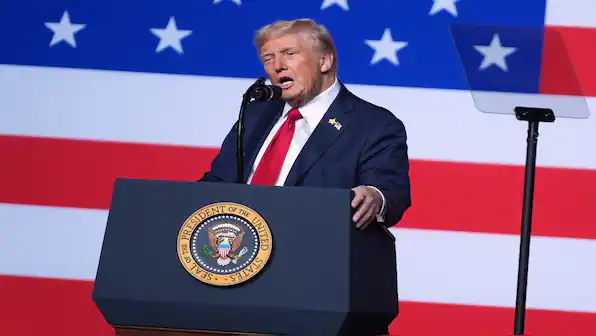
The Trump administration is once again weighing whether to sell off parts of the federal government’s $1.6 trillion student loan portfolio to private investors — a move that could reshape the nation’s higher education finance system and affect more than 45 million borrowers. Can The Government Sell Its $1.6 Trillion
According to reports, senior officials at the Education Department and Treasury Department have been exploring how to offload “high-performing” federal loans to the private market. The discussions, which have allegedly involved finance industry executives and potential buyers, reflect the administration’s broader goal of shrinking the government’s role in student lending and reviving private-sector competition. Can The Government Sell Its $1.6 Trillion

Move from lack to abundance 👇👇👇
Get $20k USD Cashapp Transfer Hack Click here
Get $5k USD Paypal Transfer Hack Click here
This comes after reports last year that Trump wanted the Small Business Administration to take over the student loan portfolio.
The administration is looking at whether privatisation could help reduce administrative costs and improve portfolio performance. However, the move could threaten borrower protections, including income-driven repayment options, loan forgiveness programmes, and the government’s unique ability to offer flexible hardship relief.
This isn’t the first time the idea has surfaced. The Department of Education chapter in the Project 2025 document proposes reviving the old Federal Family Education Loan (FFEL) programme to “privatise all lending programmes, including subsidised, unsubsidised, and PLUS loans (both Grad and Parent)”. Can The Government Sell Its $1.6 Trillion
So what exactly would it mean if federal student loans were sold to private lenders, and could it really happen this time? Let’s unpack the latest proposals, political motivations, and potential consequences for borrowers.

You did not see this today by mistake. Claim Your Financial Freedom
Get $50k USD Zelle Transfer Hack
Get $50k USD Paypal Transfer Hack
Get $20k USD Western union Transfer Hack
Get $50k USD Venmo Transfer Hack
Get $500k USD Money Transfer Hack
History Of The FFEL Program (Private-Federal Partnership)
Before its discontinuation on June 30, 2010, the FFEL program enabled private lenders – including banks, credit unions and other financial institutions – to make federal student loans guaranteed by the federal government. These guarantees covered defaults, with guarantee agencies stepping in to purchase defaulted loans on behalf of the U.S. Department of Education. Additionally, lenders received special allowance payments to ensure a market rate of return. Can The Government Sell Its $1.6 Trillion
Federal Student Loans Are Operated At A Loss
It’s important to note that the U.S. Government loses money on student loans. Just this week, the latest report shows that 2026 will continue to be a loss (though the best loss rate ever).
Currently, only Parent PLUS loans generate a net profit for the federal government based on programme costs as calculated under the Federal Credit Reform Act of 1990. Even these loans operate at a loss when assessed under Fair Value Accounting standards.
As a whole, the federal student loan portfolio loses money. Several factors contribute to the overall losses: Can The Government Sell Its $1.6 Trillion
- Below-market interest rates on federal loans.
- Loans are made without regard to a borrower’s future ability to repay the debt.
- Subsidies embedded in income-driven repayment plans, which can reduce loan obligations by as much as 63%.
- Financial impacts of the pandemic-era payment pause and interest waiver.
Claims that privatisation would save money primarily stem from eliminating federal student loan forgiveness and discharge programmes and from eliminating outlays from specific loan programmes, not from operational efficiencies. Can The Government Sell Its $1.6 Trillion
And a key aspect of the privatisation proposal is the only way the President could potentially move the portfolio without Congress is if the move doesn’t cost taxpayers money. And it’s unlikely that banks and private lenders would buy these money-losing assets without guarantees and…money.
Benefits Of Privatization
Privatising federal student loans could offer several advantages:
Disadvantages Of Privatization
However, privatising student loans is not without its downsides:
Practical Considerations
Congress is unlikely to approve legislation to privatise federal student loans, as such a move would not reduce the federal budget deficit. Furthermore, backlash from borrowers and advocacy groups concerned about college access, affordability and borrower protections could hinder privatisation efforts. Can The Government Sell Its $1.6 Trillion
The process itself would be administratively burdensome and could mirror the complexities seen during the restart of federal loan repayment after the pandemic.
Who’s To Blame For The Student Loan Crisis?
- A look into the four main drivers of the student loan crisis, including the government, colleges, and borrowers.
- Ideas on how to reform and improve the existing student loan system.
How Could Privatising The Existing Student Loan Programme Work?
Privatising student loans could involve selling the existing Direct Loan and federally-held FFEL portfolios to private lenders, while reinstating the FFEL program for new loans. However, this approach would not amount to full privatisation, as loans would still operate under their existing federal terms and conditions (i.e., the loan agreement). Can The Government Sell Its $1.6 Trillion
Most private lenders lack the appetite to take on federal loans, even with guarantees and subsidies.
When it comes to guarantees and subsidies, the government would have to be heavily involved still – covering losses for lenders for defaults, providing incentives for existing loan forgiveness programmes that are mandated by Congress, and more. Can The Government Sell Its $1.6 Trillion
Private lenders may also lack both the financial capacity and administrative capacity to acquire the loan portfolio. The FFEL portfolio, which was never more than a third the size of the current Direct Loan portfolio, was funded through a combination of incremental bond issues and securitisations through the capital markets.
If a private lender were to acquire the Direct Loan portfolio (or parts of it), it’s likely they would contract with the existing loan servicers to provide borrower administration, as lenders themselves wouldn’t be able to ramp up a servicing organisation to handle the loan portfolio. As such, borrowers would still likely work with companies like MOHELA and Aidvantage for their student loans. Can The Government Sell Its $1.6 Trillion
Alternatives To Privatization
If privatisation proves impractical, other approaches could be considered:
This means that higher-risk borrowers might be prevented from enrolling at higher-cost colleges, since they would be unable to obtain loans to pay the cost. Instead, they might have to enrol at in-state public colleges and colleges with “no loans” financial aid policies, which tend to be less expensive. Can The Government Sell Its $1.6 Trillion
And the new graduate, professional, and Parent PLUS loan limits appear to be exactly this type of borrower steering.
Final Thoughts
While privatisation may offer some benefits, its disadvantages and logistical challenges make it an unlikely and potentially costly solution.
Instead, targeted reforms to improve efficiency, reduce risks, and balance access with sustainability may be more practical alternatives for addressing the federal student loan system’s shortcomings. Can The Government Sell Its $1.6 Trillion