
The Ivy League isn’t just about ivy-covered walls – it’s about access to powerful alumni networks, top-tier career opportunities, and some of the world’s largest endowments. But what does ‘Ivy League’ really mean, and why does it still matter today? What Is The Ivy League And Why Are They Called
Ivy League schools are an elite group of eight private universities based in the northeastern U.S., best characterised by their historical campuses, rigorous academic programmes, and strong alumni networks.

Move from lack to abundance 👇👇👇
Get $20k USD Cashapp Transfer Hack Click here
Get $5k USD Paypal Transfer Hack Click here
From explaining the term “Ivy League” to discussing the current global influence of this network of schools, we’ll walk you through the history of Ivy Leagues over time, including how they’ve impacted higher education and how relevant they are in the current age of expanding access to college. What Is The Ivy League And Why Are They Called
Historically Known Ivy League Schools
As mentioned, the Ivy League includes eight private universities, each with a unique history and reputation. Known for their rigorous academic programmes, historic campuses, and influential alumni, they were bound together due to their common pursuits of academics and athletics. What Is The Ivy League And Why Are They Called
The Ivy League includes:
- Brown University: Founded in 1764 and located in Providence, RI.
- Columbia University: Founded in 1754 and located in New York City, NY.
- Cornell University: Founded in 1865 and located in Ithaca, NY.
- Dartmouth College: Founded in 1769 and located in Hanover, NH.
- Harvard University: Founded in 1636 and located in Cambridge, MA.
- Princeton University: Founded in 1746 and located in Princeton, NJ.
- University of Pennsylvania: Founded in 1740 and located in Philadelphia, PA.
- Yale University: Founded in 1701 and located in New Haven, CT.
Origins Of The Phrase “Ivy League”
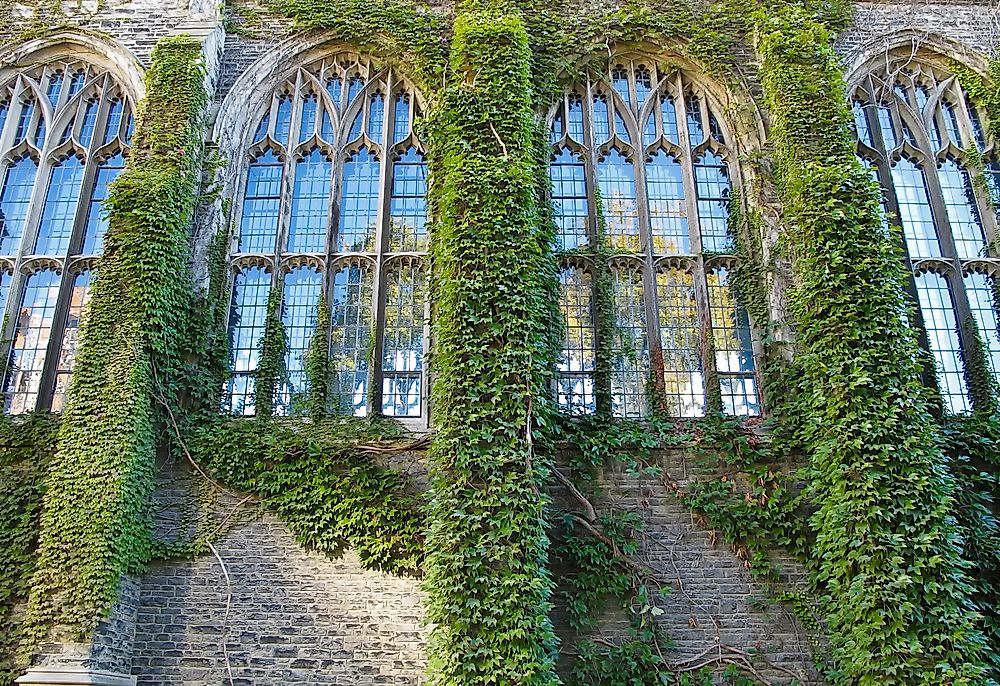
The term “Ivy League” is rooted in both athletics and tradition, having been first used in the 1930s by a sports journalist. However, the schools themselves date back several hundred years, leading to an alternate theory that the term “Ivy League” refers to the plants traditionally grown on the buildings of these campuses. What Is The Ivy League And Why Are They Called
The true meaning of the term is, in fact, a combination of the two. The journalist, Stanley Woodward, was annoyed by having to cover a football game between two schools, neither of which was his alma mater, and referred to the schools as “ivy-covered”. From then on, the term became synonymous with older universities.
A New Athletic Conference
The Ivy League was officially established in 1954 via the Ivy Group Agreement. This agreement bound the presidents of the eight universities to a shared vision of strengthening and balancing athletics with academics. What Is The Ivy League And Why Are They Called
Essentially, the goal was to ensure that sports did not overshadow academics while still promoting athletic excellence. The Ivy Leagues have a long history of athletic competition, which played an important role in shaping the identity of each school. In fact, this dual emphasis is a defining characteristic of Ivy League schools and continues to distinguish them from other collegiate athletic conferences.
Finding Cultural Significance
How has the term “Ivy League” come to symbolise academic excellence and elite status today? Some might say that the ivy-covered buildings adorning these campuses represent not only the physical aesthetic and historical richness of these schools but also their long-lasting commitment to academic excellence. What Is The Ivy League And Why Are They Called
The picture this paints evokes a sense of tradition, stability, and prestige that has been cultivated over several hundred years. Still, the cultural impact of the Ivy League extends far beyond that. Simply put, these institutions are commonly thought of as the gatekeepers of elite education, setting the benchmark for success both academically and professionally. And, despite much criticism, they continue to attract students from around the globe.
Relevance Of The Ivy League Today
Ivy League universities consistently rank among the top academic institutions globally. Why? Their dedication to high-quality education and cutting-edge research, supported by billions of dollars of school endowments, gives students unparalleled access to advanced resources and opportunities. What Is The Ivy League And Why Are They Called
Impact On Higher Education
Ivy League schools typically impact the world of higher education by setting trends and establishing standards that other universities soon follow. These schools have implemented innovative teaching methods, curricula, and research initiatives that often influence the educational policies and practices of other universities worldwide.
For example, Harvard’s business school is a pioneer in conducting case studies with an interdisciplinary approach. Furthermore, the Ivy League’s shift to evaluating prospective students based on a holistic admissions process – considering extracurricular performance, leadership, and personal qualities in addition to academic performance – is used at almost every academic institution today. What Is The Ivy League And Why Are They Called
These schools also tend to play a critical role in advocating for issues in higher education. Most recently, Brown launched the Criminal Justice Initiative to address critical social justice issues and influence broader societal change. Likewise, Princeton created its Sustainability Action Plan in hopes of setting an example for other universities wanting to fight climate change.
Through their thoughtful research and leadership, the Ivy Leagues contribute to national and international discussions on education reform and access to higher education. Given their status and influence, their advocacy often helps shape educational policies that affect millions of students across the globe. What Is The Ivy League And Why Are They Called
Opportunities & Influence
As mentioned, the influence of the Ivy Leagues stretches well beyond the borders of the U.S. These schools maintain global networks and partnerships with other leading institutions to facilitate academic and research opportunities for their students and faculty alike.
The history and reach of these universities help them attract top students, professors, and researchers from around the world. In return, students and faculty have access to an array of opportunities, including working on international projects and participating in study abroad programmes. What Is The Ivy League And Why Are They Called