
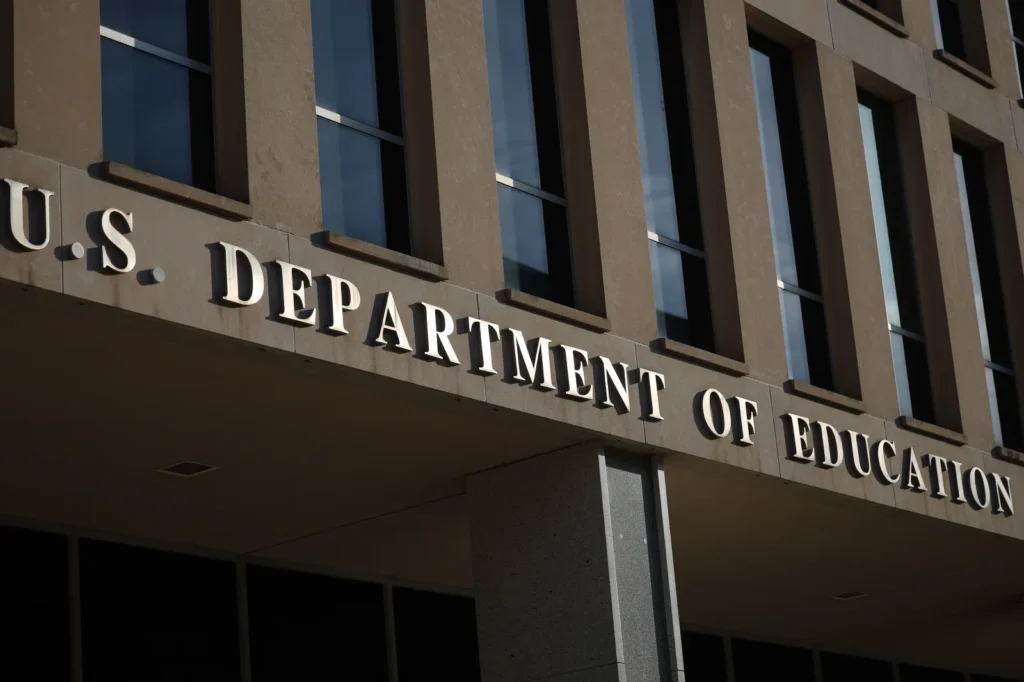
Federal student loans are a critical component in how families pay for college. 5 Major Student Loan Changes Coming in 2026
Beginning in 2026, new laws will change how much students and parents can borrow and how those student loans are repaid. The changes are significant, especially for graduate students, professional programmes, and families that rely on Parent PLUS loans to close college funding gaps.

Move from lack to abundance 👇👇👇
Get $20k USD Cashapp Transfer Hack Click here
Get $5k USD Paypal Transfer Hack Click here
Student loan repayment also faces one of the biggest shifts in history.
For families planning for college or graduate school, or those already in repayment on student loans, the next year will be another wild one with updates and changes.
1. Grad PLUS Loans Are Ending
For years, Graduate PLUS loans have allowed graduate and professional students to borrow up to the full cost of attendance, covering tuition, fees, housing, and living expenses after other aid is applied. 5 Major Student Loan Changes Coming in 2026
That option ends for new borrowers after July 1, 2026.

You did not see this today by mistake. Claim Your Financial Freedom
Get $50k USD Zelle Transfer Hack
Get $50k USD Paypal Transfer Hack
Get $20k USD Western union Transfer Hack
Get $50k USD Venmo Transfer Hack
Get $500k USD Money Transfer Hack
What’s changing
Graduate PLUS loans will no longer be issued to students who take out their first federal loan for graduate school on or after that date. Students who already have Grad PLUS loans for their programme of study may be allowed to continue borrowing under existing limits for up to three years, but new students to graduate programmes will not have access.
Why it’s happening
The One Big Beautiful Bill Act ended the Grad PLUS loan programme, as lawmakers have expressed concern about unlimited borrowing. Graduate students, while being a lower number of borrowers, have a significantly higher average balance.
Ending Grad PLUS borrowing places a hard limit on how much graduate students can finance through federal student loans. 5 Major Student Loan Changes Coming in 2026
How it affects you
Students entering law school, medical school, MBA programmes, and other high-cost graduate programmes may no longer be able to borrow enough through federal loans alone to cover total costs.
That shortfall may need to be filled through the following:
- Scholarships or fellowships
- Employer tuition benefits
- Personal savings
- Private student loans
What to plan now
Prospective graduate students should review the full cost of programmes they are considering and compare it to the new federal student loan limits.
2. Parent PLUS Loans Will Have New Limits
Parent PLUS loans have long been the backstop of college financing, allowing parents to borrow up to the full cost of attendance for their child’s education. 5 Major Student Loan Changes Coming in 2026
That, too, is changing.
What’s changing
New Parent PLUS loans issued after July 1, 2026, will be capped at the following:
- $20,000 per year per student
- $65,000 total per student
The change may influence the following:
- College selection decisions
- Whether students live on or off campus
- How costs are split between parents and students
What to plan now
Parents of middle- and high-school students should revisit college savings plans and expected borrowing strategies. Families may need to:
- Increase savings where possible
- Compare in-state and lower-cost options more carefully
- Ask colleges about institutional grants and tuition payment plans
- Run The College Investor’s How Much Student Loan Debt Can I Afford? calculator.
Parents with existing PLUS loans should also monitor consolidation and repayment timelines, as access to income-based repayment options depend on when loans are consolidated.
3. New Borrowing Limits For Graduate And Professional Students
With the end of Grad PLUS loans comes a new structure of loan caps for graduate and professional education.
There will now be new borrowing limits for both graduate school and professional school programmes – the first time the government has ever made the distinction in borrowing limits per programme. 5 Major Student Loan Changes Coming in 2026
What’s changing
Federal Direct Unsubsidised Loans will remain available, but with stricter limits:
- $20,500 per year and $100,000 lifetime for graduate programs
- $50,000 per year and $200,000 lifetime for professional programs
Why it’s happening
This change is designed to replace open-ended borrowing with strict limits, similar to how undergraduate loans operate.
How it affects students
Graduate students in lower-cost programmes may see little difference. Those in expensive professional tracks may need to find tens of thousands of dollars elsewhere.
Programmes with high tuition but modest post-graduation earnings may become harder to justify financially under the new rules. Private lenders may also NOT replace federal student loans for some degrees. 5 Major Student Loan Changes Coming in 2026
What to plan now
Applicants should compare expected debt to realistic earnings outcomes in their field. Graduate school decisions will need to be extremely Return on Investment (ROI)-focused.
4. The Repayment Assistance Plan (RAP) Launches
Borrowing rules are only half the story. Repayment plans are changing too.
What’s changing
For loans disbursed on or after July 1, 2026, most existing income-driven repayment plans will be replaced by a new Repayment Assistance Plan, or RAP.
Borrowers will generally choose between the following:
- A standard fixed repayment plan
- The new RAP option
It’s important to note that borrowers with new Parent PLUS loans after July 1, 2026, will only have access to the standard plan.
Why it’s happening
The federal repayment system has grown complex, with multiple income-driven plans overlapping. RAP is intended to simplify repayment — though not necessarily make it cheaper.
How it affects borrowers
Payments under RAP will be tied to income, but forgiveness timelines are longer than under recent plans. Monthly payments for some borrowers may rise over time, particularly as income increases. 5 Major Student Loan Changes Coming in 2026
RAP is compelling, though, because it offers interest subsidies and principal reduction assistance.
What to plan now
Students who expect to rely on income-driven repayment should pay close attention to when their loans are disbursed. Loans disbursed before June 30, 2026, will still maintain access to Income-Based Repayment (IBR)
5. The SAVE Plan Is Ending
The Saving on a Valuable Education, or SAVE, plan was a Biden-era initiative that has left over 7 million borrowers in limbo. While the court system and OBBBA have both killed the SAVE Plan, the final SAVE timelines are still uncertain.
What is certain is that borrowers in the SAVE plan need to be making decisions and planning to change repayment plans this year.
What’s changing
SAVE is closed to new borrowers, and those in the SAVE plan need to decide on either IBR today or waiting for RAP in July. It’s possible the Department of Education will force borrowers into a new plan on their own timeline – which may not be beneficial for those waiting in limbo.
Why it’s happening
SAVE was created under earlier executive authority and has faced legal and legislative challenges. This was challenged in court and also eliminated by law. 5 Major Student Loan Changes Coming in 2026
How it affects borrowers
Borrowers currently on SAVE should run their numbers using The College Investor’s RAP Calculator or Student Loan Calculator to determine the following:
- Potential payment under IBR
- Potential payment under RAP
- Potential standard plan payment
Based on those numbers, borrowers can decide which repayment plan would work best for them. Borrowers pursuing public service loan forgiveness should likely change sooner, rather than later, to continue making forward progress.
What to plan now
Borrowers should log in to their loan servicer and ensure their contact information is updated. This will ensure they don’t miss any important timelines or deadlines.
What Borrowers And Families Can Do Now
The most important step is early planning. The rules that apply to your loans will depend heavily on when you borrow and what type of student loan you have.
- Review college and graduate school timelines carefully
- Compare total program costs against new loan limits
- Increase savings or seek scholarships earlier
- Ask financial aid offices how funding packages may change
Existing borrowers need to run the numbers on their repayment plans and understand the changes.
The federal student loan system in 2026 will be more limited, more structured, and less forgiving for future borrowers. Families who understand those shifts now will be better positioned to avoid surprises later and to make education decisions that align with long-term financial stability. 5 Major Student Loan Changes Coming in 2026